
How to Create a Drought-Tolerant Landscape in South Africa: Your Guide to Sustainable Garden Design
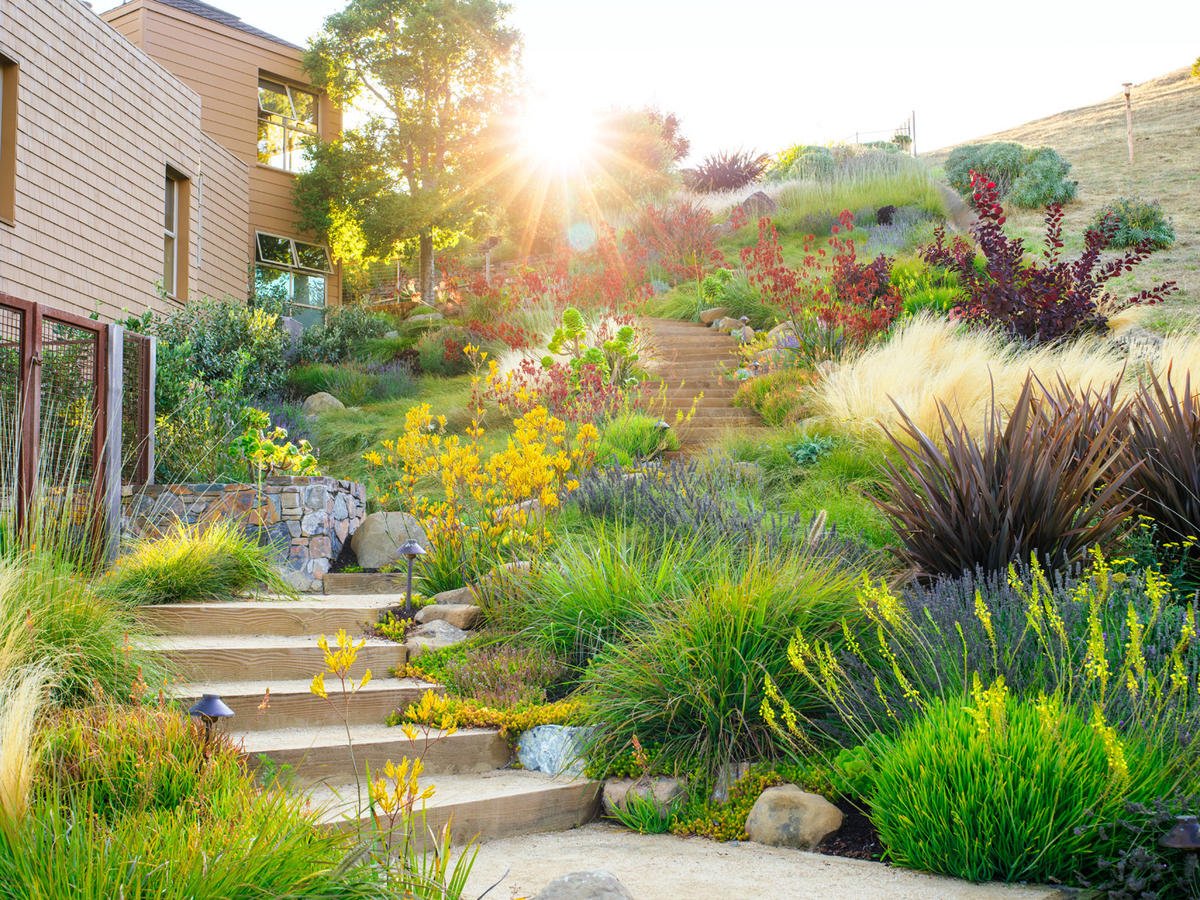
In South Africa, where water scarcity is an ongoing concern, creating a drought-tolerant landscape is not only an eco-friendly choice but also a practical one. Drought-resistant landscaping focuses on using plants, irrigation systems, and design techniques that minimize water usage while keeping your outdoor space vibrant and appealing. With careful planning, it’s possible to have a beautiful, sustainable garden that thrives even during dry seasons.
At Hilltop Garden Services, we specialize in designing drought-tolerant landscapes that are both aesthetically pleasing and resilient in South Africa’s unique climate. In this blog post, we’ll share practical tips on creating a water-wise landscape and show how you can still enjoy a lush, green garden while conserving water and reducing maintenance.
Why Choose Drought-Tolerant Landscaping?
Incorporating drought-tolerant elements into your garden offers multiple benefits:
- Water Conservation: Reduced water usage is not only cost-effective but also helps preserve South Africa's precious water resources.
- Lower Maintenance: Drought-tolerant plants are typically hardier and require less care, saving you time and effort in garden upkeep.
- Environmental Benefits: By reducing the need for chemical fertilizers and pesticides, drought-tolerant landscaping supports local ecosystems.
- Year-Round Beauty: Many drought-tolerant plants are evergreen, providing your garden with color and texture throughout the year.
Step 1: Choose Drought-Tolerant Plants
The foundation of any drought-tolerant landscape is the selection of hardy, water-efficient plants. In South Africa, several native species are naturally adapted to thrive in dry conditions, making them ideal for low-water landscaping.
Top Drought-Tolerant Plants for South African Gardens
- Aloe Vera: Known for its striking, spiky form and bright orange flowers, Aloe Vera is both ornamental and resilient, needing very little water to thrive.
- Spekboom (Portulacaria afra): Not only drought-tolerant, but Spekboom also captures carbon from the air, making it an eco-friendly choice.
- Wild Olive (Olea europaea subsp. africana): This indigenous tree offers shade and can tolerate long periods of drought, making it ideal for landscapes of any size.
- Agapanthus: With its lovely blue or white flowers, Agapanthus is a beautiful addition to borders and is highly drought-resistant.
- Carissa macrocarpa (Natal Plum): This low-maintenance shrub produces white flowers and red berries, adding year-round interest with minimal watering needs.
Plant Grouping and Placement
To maximize water efficiency, group plants with similar water needs together. This is known as “hydrozoning” and helps prevent overwatering drought-resistant plants while ensuring water-sensitive species receive the moisture they require.
When designing your garden, position plants with the highest water needs closer to your home or in shaded areas. Place drought-tolerant plants, like aloes and succulents, in sunnier, more exposed locations.
Step 2: Use Efficient Irrigation Techniques
Efficient irrigation is crucial for a drought-tolerant garden. The right techniques can ensure plants get adequate moisture without waste.
Drip Irrigation Systems
Drip irrigation is the most water-efficient method for watering your garden. It delivers water directly to the root zones of plants, minimizing evaporation and runoff. With a drip system, you can customize the water flow for different plant groups, ensuring that each area gets the right amount.
Timing is Everything
Watering in the early morning or late evening reduces evaporation and helps plants absorb water effectively. Avoid watering during the heat of the day, as this can waste water and stress your plants.
Mulching for Moisture Retention
Mulching is an essential component of drought-tolerant landscaping. A layer of mulch around your plants helps retain soil moisture, suppresses weeds, and keeps the soil cool. Organic mulch, like bark or wood chips, will also break down over time, enriching the soil.
Step 3: Opt for Hardscaping
Hardscaping, or the use of non-plant elements in landscaping, is a practical way to reduce water usage while enhancing your garden's design. Stones, gravel, and paved areas require zero water and add texture and interest to the landscape.
Popular Hardscaping Elements
- Gravel Pathways: Gravel paths are water-efficient and can be used to create a natural, cohesive flow throughout your garden.
- Rock Gardens: Rock gardens are a beautiful way to showcase succulents and other drought-tolerant plants, using rocks of different sizes to add depth and contrast.
- Paving Stones: Paved patios and walkways reduce lawn space and create a functional area for outdoor seating and entertaining.
At Hilltop Garden Services, we can help you blend hardscape elements with softscape features to create a balanced and cohesive drought-tolerant garden design.
Step 4: Design for Shade and Wind Protection
Creating shade and reducing wind exposure can help conserve water by minimizing evaporation and heat stress on plants.
Natural Shade
Planting drought-tolerant trees, like the Wild Olive, can provide natural shade for other plants and reduce the need for additional watering. Trees and shrubs with broad leaves can also help protect delicate plants from the hot sun and harsh winds.
Artificial Shade
Consider using pergolas, shade cloths, or strategically placed garden structures to create shaded areas, especially if your garden receives prolonged direct sunlight. These additions can help reduce water needs while providing comfortable outdoor spaces for relaxation.
Step 5: Lawn Alternatives
Lawns are typically water-intensive, but there are several alternatives that can provide greenery with much lower water requirements.
Low-Water Ground Covers
Ground covers, such as Dymondia or creeping thyme, are excellent lawn alternatives. They’re drought-tolerant, require minimal mowing, and add a lush appearance without high water needs.
Artificial Turf
Artificial turf offers the look of a lush green lawn without any water requirements. While installation can be an investment, it pays off over time with reduced maintenance and water savings.
The Hilltop Garden Services Difference
At Hilltop Garden Services, we understand that sustainable gardening requires expertise and a deep understanding of local plant species and climate. Our team is committed to creating landscapes that are not only beautiful but also environmentally responsible. Whether you’re starting from scratch or transforming an existing garden, we offer services that prioritize water conservation and ecological health.
Why Choose Us?
- Expert Knowledge: Our team specializes in drought-tolerant landscaping and native plant selection.
- Customized Designs: We create bespoke designs that balance aesthetics, functionality, and sustainability.
- Comprehensive Service: From installation to long-term maintenance, we ensure your landscape continues to thrive.
Conclusion
Creating a drought-tolerant landscape in South Africa is a rewarding and practical way to enjoy a stunning garden while conserving water and supporting the environment. By choosing water-efficient plants, implementing smart irrigation, and using hardscaping elements, you can design a beautiful outdoor space that withstands dry conditions and reduces water usage.
Contact Hilltop Garden Services Today
Hilltop Garden Services is here to help you every step of the way, from plant selection to ongoing garden care. Get in touch today to discuss how we can transform your garden into a drought-resistant haven that combines beauty with sustainability.
For more information, visit our website Hilltop Garden Services or call us at (011 807 3773)
Follow us on social media for the latest updates and inspiration for your outdoor space.
More on Irrigation & Water
Dry Patches and Wet Spots: Is Your Irrigation Covering the Garden Evenly?
Dry patches and wet spots do not always mean the garden needs more water. Learn how to record coverage problems and prep…
How to Irrigate Your Garden Using Greywater: Smart Water-Saving Tips for Fourways Homes
A few years ago, a client in Broadacres called me during one of those long dry spells we get in Fourways. Her water bill…
Seasonal Adjustments for Optimal Water Use in Irrigation: A Fourways Landscaper’s Practical Guide
Let me tell you a quick story from right here in Fourways. Last October, I got a call from a homeowner in Broadacres who…