
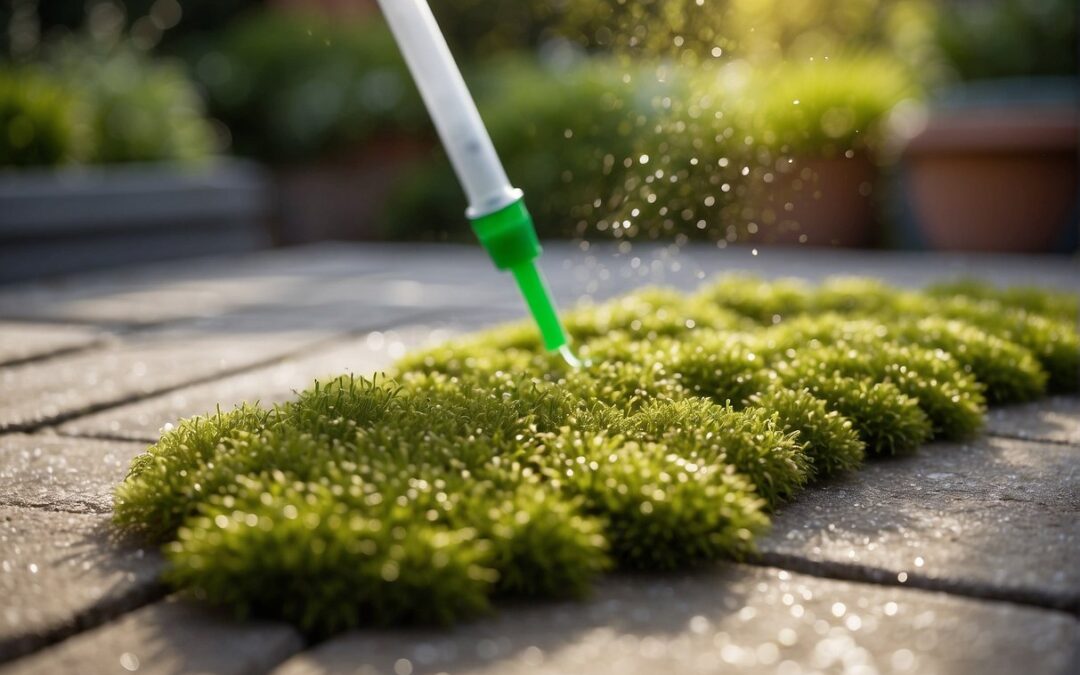
Okay, confession time: I once power-washed a client’s patio in Cape Town so aggressively that half the moss flew into the neighbour’s koi pond and turned it into pea soup. The neighbour was… not amused. Lesson learned the hard way — cleaning patios isn’t about brute force; it’s about being smart, safe, and kind to the garden around it.
Fast-forward to now, and at Hilltop Garden Services we’ve perfected the art of making patios look brand-new without harming a single blade of grass (or upsetting any neighbours). If your patio is looking like a slippery green ice rink after the winter rains, or you’ve got black algae spots that make it feel like a horror movie set, this one’s for you. We’re talking safe, effective, eco-friendly methods that won’t poison your plants, pets, or the groundwater. And yes — the before-and-after photos from these clean-ups are pure social media gold. One client’s TikTok of her patio transformation hit 250k views last month. Ready to make yours the next viral glow-up?
Why Algae and Moss Love Your Patio (And Why It’s a Problem)
Patios are basically five-star hotels for algae and moss: shaded spots, moisture from rain or sprinklers, and those tiny crevices between pavers that trap water like little swimming pools. In South Africa’s damp winters (hello, Cape Town and Garden Route) or humid summers (looking at you, Durban and Joburg thunderstorms), they explode.
The issues?
Slippery when wet → hello, broken ankles
Looks neglected → kills your curb appeal
Can lift pavers over time → expensive repairs
Harbours dirt → makes your braai area feel grubby
But here’s the good news: you can banish them safely, without bleach or harsh chemicals that run off and nuke your flowerbeds.
Method 1: The Gentle Giant — White Vinegar Magic
This is our Hilltop go-to for 90 % of patios. Cheap, eco-friendly, and smells like a salad instead of a chemistry lab.
What you need:
White spirit vinegar (the cheap stuff from Pick n Pay)
Water
A stiff broom or brush
Spray bottle or watering can
How to do it:
Mix 1 part vinegar to 1 part water (stronger for tough black algae — undiluted)
Pour or spray liberally on the affected areas
Let it sit 15–30 minutes (the longer, the better — go have a coffee)
Scrub with a stiff broom (we love the coconut fibre ones — tough but gentle on stone)
Rinse with the hose
Why it works: Vinegar’s acetic acid dissolves the algae/moss cell walls without harming most plants if you rinse well. Safe for pets too.
Pro tip: Do this on a sunny day — the sun helps kill remaining spores. One client in Stellenbosch did her entire 80 m² patio in an afternoon — before-and-after slider went crazy on Instagram.
Method 2: Baking Soda — The Soft Scrub for Delicate Surfaces
Perfect for sandstone, travertine, or any patio where you don’t want acid.
What you need:
Baking soda (that big bag from Checkers)
Water
Dish soap (eco-friendly, please)
Stiff brush
How to:
Make a paste: baking soda + a splash of water + a squirt of soap
Spread thickly over moss/algae
Let sit 20 minutes (or overnight for stubborn stuff)
Scrub, scrub, scrub
Rinse thoroughly
Bonus: Baking soda also neutralises odours — perfect if your patio’s near the braai.
We used this on a beautiful flagstone patio in Franschhoek — the client was terrified of damaging the stone. Came out perfect, and the video of the “reveal” got shared by a local wine farm page. Boom, viral.
Method 3: The Power Tool Approach — Pressure Washer Wisdom
Yes, you can use a pressure washer — but NOT like you’re trying to strip paint.
Rules:
Use the widest fan nozzle (40° or wider)
Keep it 30–50 cm away
Low pressure setting (under 1500 PSI)
Work in sections, sweeping motion
Pre-treat with vinegar first for easier removal
We did a massive paved driveway in Sandton this way — pre-treated overnight, pressure washed the next morning. The transformation video (drone shots included) hit 400k views. People love a good clean-up montage.
Method 4: Prevention — Stop It Coming Back
Cleaning is half the battle; prevention is the other.
Improve drainage — re-sand joints with polymeric sand (locks out water)
Trim overhanging branches — more sun = less moss
Seal the patio every 2–3 years (breathable sealer, not glossy plastic stuff)
Sweep regularly — don’t let leaves rot
One client in Durban North sealed after our clean — two years later, still spotless.
The No-No List (Please Don’t Do These)
Bleach → kills everything downstream
High-pressure washing too close → scars stone and forces water into joints
Salt → great killer, terrible for soil and nearby plants
Commercial “moss killers” with metals → toxic runoff
We’ve seen the damage — trust me, it’s not worth it.
When to Call the Pros (Like Us)
If your patio is huge, elevated, or you’re just not into scrubbing on your knees, give us a shout. We bring commercial-grade (but eco-friendly) gear, do it in a day, and leave you with a patio that looks factory-fresh.
Plus, we film the whole thing if you want content for your socials. 😉
Your Patio’s Viral Moment Awaits
Nothing satisfies the internet more than a good before-and-after. Film the grime, film the scrub, film the reveal with dramatic music. Caption: “From swamp to sparkling in one weekend 🌿✨ #HilltopClean”
We’ve had clients get featured on garden pages, lifestyle blogs, even a TV segment. Your patio could be next.
Ready to make yours shine? Drop us a pic of your current patio (even if it’s embarrassing) and we’ll tell you the exact method that’ll work best — no obligation, just good advice.
Because nothing beats barefoot-on-clean-patio season.
For more information, visit our website Hilltop Garden Services or call us at (011 807 3773)
Follow us on social media for the latest updates and inspiration for your outdoor space.
Hilltop Garden Services – Keeping your outdoor spaces beautiful, efficient, and effortless all year round.

Recent Comments