
Water conservation is more critical than ever, especially in areas like South Africa, where water restrictions and droughts are common. Installing a rainwater harvesting system in your garden is a practical and eco-friendly solution that benefits both your plants and the environment. At Hilltop Garden Services, we’re passionate about sustainable gardening and helping homeowners embrace water-wise practices.
In this blog, we’ll guide you through the steps to install a rainwater harvesting system, ensuring your garden thrives while reducing your water bills.
Why Install a Rainwater Harvesting System?
Rainwater harvesting involves collecting and storing rainwater for later use, particularly for watering gardens. Here are some of the key benefits:
- Cost Savings: Reduce your reliance on municipal water, cutting your water bills significantly.
- Eco-Friendly: Conserve a valuable resource and reduce strain on local water supplies.
- Healthier Plants: Rainwater is free of chemicals like chlorine, making it ideal for plants.
- Emergency Supply: Stored water can be a lifesaver during water shortages or restrictions.
How to Install a Rainwater Harvesting System
Installing a rainwater harvesting system is easier than you might think. Here’s a step-by-step guide to get you started:
1. Assess Your Garden’s Needs
Before setting up your system, consider the following:
- Water Requirements: Estimate how much water your garden needs based on its size and types of plants.
- Rainfall Levels: Understand the average rainfall in your area to determine the potential volume of water you can collect.
- Space Availability: Decide where to place your collection and storage systems.
2. Choose the Right Components
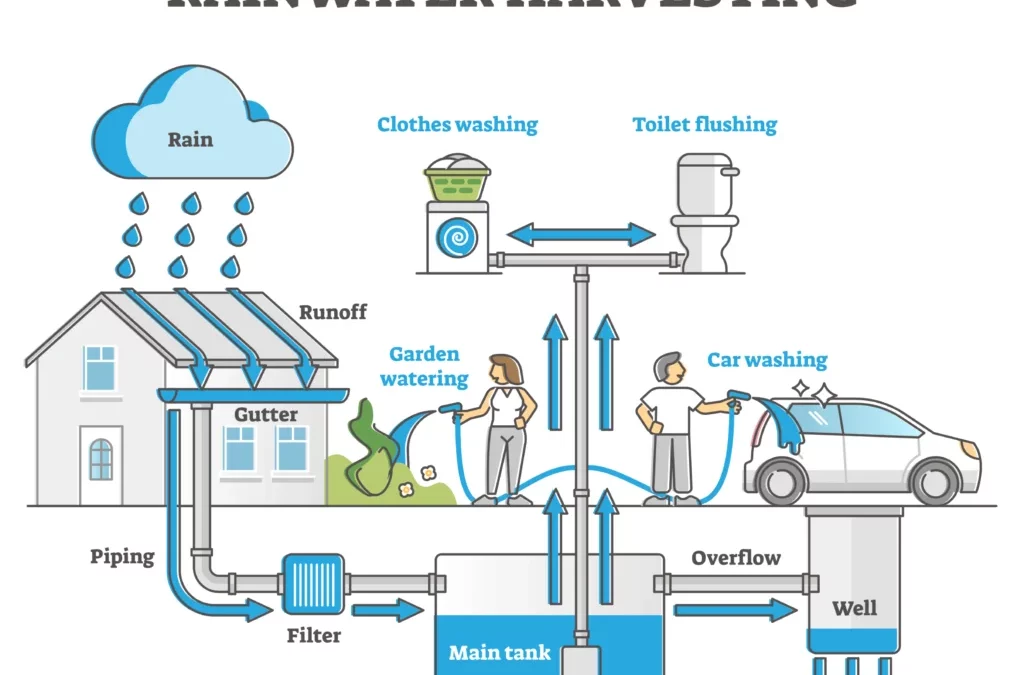
A basic rainwater harvesting system includes:
- Catchment Area: Typically, your roof serves as the catchment area.
- Gutters and Downpipes: These channel rainwater from your roof to the storage system.
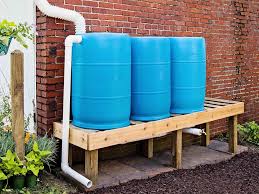
- Storage Tank: Select a rainwater tank that fits your needs and available space. Tanks come in various sizes and materials, such as plastic, metal, or concrete.
- Filter System: Prevent debris, leaves, and insects from contaminating your water.
- Pump (Optional): Use a pump if you plan to distribute water to a large area or connect it to an irrigation system.
3. Install Gutters and Downpipes
Ensure your roof is equipped with functional gutters and downpipes:
- Clean Existing Gutters: Remove debris to ensure smooth water flow.
- Install Leaf Guards: These prevent leaves and twigs from clogging your gutters.
- Secure Downpipes: Position them to direct rainwater into your storage tank or barrel.
4. Set Up the Storage Tank
Position your storage tank strategically:
- Level Ground: Place the tank on a stable, level surface to prevent tipping.
- Close to the Downpipe: Minimize the distance between the downpipe and tank for efficient water flow.
- Overflow Outlet: Install an overflow pipe to direct excess water away from your home and foundation.
5. Add a Filter System
Keep your harvested water clean by installing a filter system:
- Pre-Tank Filter: Install a filter at the tank’s inlet to trap large debris.
- First Flush Diverter: Divert the first flow of rainwater, which may carry roof debris, away from the tank.
- Tank Filters: Use fine mesh screens to prevent insects and dirt from entering.
6. Connect to Your Garden
Distribute the stored rainwater efficiently:
- Use a Hose: Attach a hose to the tank’s outlet for manual watering.
- Drip Irrigation System: Connect the tank to a drip irrigation system for precise, water-efficient distribution.
- Sprinklers: Install sprinklers for broader coverage in larger gardens.
7. Maintain Your System Regularly
To ensure your rainwater harvesting system functions optimally, follow these maintenance tips:
- Clean Gutters and Filters: Check and clean them every few months.
- Inspect the Tank: Look for cracks, leaks, or algae growth.
- Test the Pump: If you use a pump, ensure it’s working correctly.
- Check the Overflow System: Ensure it directs excess water away safely.
Tips for Maximizing Rainwater Use
- Mulching: Apply mulch around plants to retain soil moisture and reduce evaporation.
- Choose Native Plants: Opt for drought-tolerant, native South African plants that thrive with less water.
- Irrigation Timing: Water your garden early in the morning or late in the afternoon to minimize evaporation.
Why Choose Hilltop Garden Services?
At Hilltop Garden Services, we’re committed to promoting sustainable gardening practices. Whether you need help installing a rainwater harvesting system or maintaining your garden, our expert team is here to assist. We offer:
- Customized water-wise solutions
- Professional installation services
- Regular garden maintenance tailored to your needs
Start Harvesting Rainwater Today!
Investing in a rainwater harvesting system is a step toward sustainability and self-sufficiency. By collecting and utilizing rainwater, you can create a thriving garden while conserving one of Earth’s most precious resources.
For more information, visit our website Hilltop Garden Services or call us at (011 807 3773)
Follow us on social media for the latest updates and inspiration for your outdoor space.
Recent Comments