
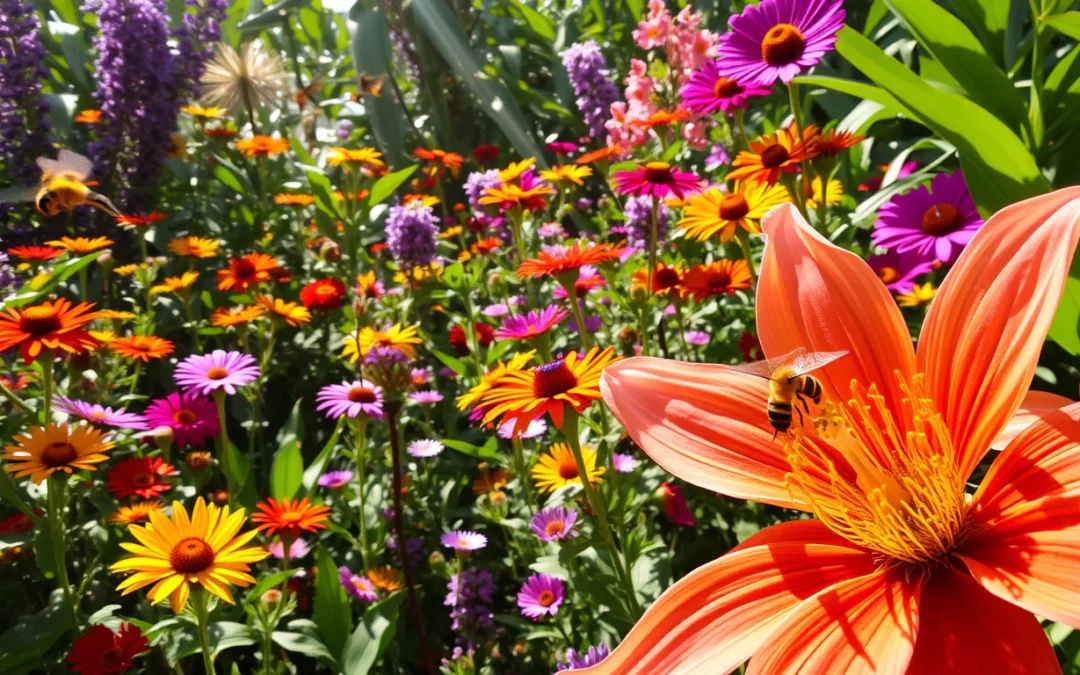
Hey there, fellow garden enthusiasts! Remember that childhood memory of chasing butterflies through a meadow, or the simple joy of watching a bee lazily buzz from flower to flower? In our fast-paced world, those moments feel like rare treasures, don’t they? Well, at Hilltop Garden Services, we’ve made it our mission to bring that magic right into your backyard. Today, I’m excited to chat about something close to my heart: creating a pollinator-friendly garden at home. It’s not just about pretty flowers—it’s about supporting the little heroes that keep our ecosystems thriving. And let’s be real, in South Africa, where our biodiversity is off the charts, giving pollinators a helping hand can make your garden a lively, colorful haven that might just inspire your neighbors (and who knows, go viral on social media!). So, grab a cuppa, and let’s dive into how you can turn your patch of earth into a buzzing paradise.
I’ve been in the gardening game for years now, and I’ve seen firsthand how a few thoughtful changes can transform a dull lawn into a thriving ecosystem. Pollinators like bees, butterflies, birds, and even bats are essential—they pollinate about 75% of the world’s flowering plants, including many of our favorite fruits and veggies. But with habitat loss and climate challenges hitting hard, especially here in South Africa, their populations are dwindling. The good news? You can make a difference right at home. Plus, a pollinator garden isn’t just eco-warrior stuff; it’s a feast for the eyes, a stress-buster, and a fantastic way to get the kids involved. Imagine posting pics of your garden exploding with color and critters—talk about shareable content!
Why Bother with a Pollinator-Friendly Garden? The Real Buzz
Before we get our hands dirty, let’s talk about why this matters. Sure, it’s trendy—#PollinatorGarden has been blowing up on Instagram—but the benefits are genuine and far-reaching. For starters, pollinators boost your garden’s productivity. If you’ve got fruit trees or a veggie patch, these visitors will help you harvest bigger, juicier yields. Think plump tomatoes from your Durban backyard or sweet strawberries in Cape Town’s mild climate.
On a bigger scale, supporting pollinators contributes to biodiversity. South Africa is a hotspot for unique species, like our endemic honeybees or the dazzling Cape sugarbird. By creating habitats, you’re helping preserve our natural heritage. And personally? There’s something therapeutic about watching a monarch butterfly dance around your blooms after a long day. It’s like your garden comes alive, turning into a mini nature documentary. I’ve had clients tell me their pollinator gardens have become family gathering spots, where kids learn about nature without even realizing it. Plus, in an era where everyone’s craving connection to the earth, this could be your ticket to viral fame—picture a TikTok of bees swarming your lavender, captioned “Saving the world, one flower at a time!”
But enough chit-chat; let’s get practical. Building a pollinator-friendly garden isn’t rocket science, but it does require some planning. I’ll walk you through it step by step, with tips tailored for South African conditions, from the arid Karoo to the humid KwaZulu-Natal coast.
Step 1: Assess and Plan Your Space
First things first: take a good look at your yard. No space is too small—even a balcony or windowsill can host a mini pollinator haven. Start by noting sunny spots (pollinators love warmth), soil type, and water availability. In drier areas like Johannesburg, focus on drought-tolerant plants; in wetter regions like the Garden Route, you can go wild with moisture-loving varieties.
Draw a rough sketch—nothing fancy, just zones for flowers, shrubs, and maybe a water feature. Aim for diversity: a mix of heights, colors, and bloom times to provide year-round food. And here’s a pro tip from my years at Hilltop: cluster plants in groups of three or more. Pollinators are like us at a buffet—they prefer easy access to lots of the same goodies without flitting too far.
Step 2: Choose the Right Plants – Go Native for the Win
The heart of any pollinator garden is the plants. Skip the exotic imports and go for indigenous South African stars—they’re adapted to our climates, require less water, and attract local pollinators like magnets. Here are some favorites I’ve used in countless Hilltop projects:
Wild Dagga (Leonotis leonurus): This fiery orange bloomer is a bee magnet and thrives in full sun. It’s perfect for adding height and drama—I’ve seen gardens where it becomes the centerpiece, drawing in sunbirds too.
Aloes: From the towering Aloe ferox to compact varieties, these succulents offer nectar-rich spikes. They’re drought-resistant, ideal for water-scarce areas, and their sculptural forms add that wow factor. Picture a cluster in your Pretoria garden, buzzing with activity in summer.
Vygies (Mesembryanthemum): These ground-hugging daisies explode in color and are super low-maintenance. Great for coastal spots like Port Elizabeth, where they handle salt spray like champs.
Butterfly Bush (Buddleja saligna): As the name suggests, it’s a butterfly paradise. Plant it in a sunny corner, and watch the magic unfold. In my experience, mixing it with lavender creates a fragrant, irresistible combo.
Don’t forget herbs like basil or rosemary—they’re not just for your kitchen; pollinators adore them. And for variety, throw in some annuals like cosmos for quick color. The key? Bloom succession—ensure something’s flowering every season. In winter, opt for aloes; in spring, let proteas shine.
Step 3: Provide Shelter and Water – The Essentials Beyond Food
Pollinators need more than just nectar; they crave safe havens and hydration. Create “bug hotels” from stacked logs, bamboo bundles, or even old bricks with holes—perfect for solitary bees. I’ve built these in client gardens, and they’re always a hit with kids who love spotting the inhabitants.
For water, a shallow dish with pebbles works wonders—birds and butterflies can perch without drowning. Add a solar fountain for that gentle trickle sound, which not only attracts pollinators but also turns your garden into a serene retreat. In humid areas like Durban, this prevents stagnation; in drier spots, keep it topped up.
Avoid pesticides like the plague—they’re pollinator killers. Instead, embrace natural pest control: ladybugs for aphids, or companion planting (marigolds repel nasties). It’s all about balance, creating a self-sustaining ecosystem.
Step 4: Maintenance – Keep the Buzz Going
Once planted, your garden won’t run itself, but it’s low-effort if done right. Mulch with organic matter to retain moisture and suppress weeds—bark chips work great in South African soils. Water wisely: deep, infrequent soaks encourage strong roots.
Prune thoughtfully to promote blooms, and deadhead spent flowers to keep things tidy. Monitor for invaders like alien plants that could outcompete natives. And involve the family—turn weeding into a game or host a “pollinator watch” afternoon. At Hilltop, we offer maintenance plans to keep your garden thriving, so you can enjoy the buzz without the hassle.
The Ripple Effect: How Your Garden Can Inspire Change
Creating a pollinator-friendly garden isn’t just about your yard—it’s a statement. Share your journey on social media: before-and-after pics, time-lapses of blooms, or close-ups of visiting critters. I’ve seen Hilltop clients’ posts rack up thousands of likes, sparking community challenges like “Plant for Pollinators Month.” In South Africa, where we’re guardians of incredible biodiversity, your garden could motivate others to join the movement, creating corridors of green that help species migrate and thrive.
Ready to Get Buzzing? Let Hilltop Garden Services Help
At Hilltop Garden Services, we’re more than landscapers—we’re your partners in creating living, breathing spaces that nurture nature and your soul. Whether you need plant sourcing, design expertise, or ongoing care, our team knows South African gardens inside out. We’ve turned barren backyards into pollinator paradises across the country, from the Highveld to the Lowveld.
Why not drop us a line for a free consultation? We’ll tailor a plan that fits your space, budget, and dreams. Imagine your garden not just surviving, but thriving with life—bees humming, butterflies fluttering, and you basking in the glow of doing something truly good. Let’s make your home a haven for pollinators today!
What are you waiting for? Head outside, start planning, and tag us in your progress pics @HilltopGardenServices. Together, we can create gardens that buzz with possibility.
Keywords: pollinator-friendly garden, create pollinator garden at home, Hilltop Garden Services, South African native plants for pollinators, bee-friendly garden ideas, butterfly garden South Africa, eco-friendly landscaping, indigenous plants for pollinators, garden for birds and bees, sustainable gardening tips
Share this post far and wide—let’s get everyone planting for pollinators! Your garden could be the spark that starts a green revolution with Hilltop Garden Services.
For more information, visit our website Hilltop Garden Services or call us at (011 807 3773)
Follow us on social media for the latest updates and inspiration for your outdoor space.
Hilltop Garden Services – Keeping your outdoor spaces beautiful, efficient, and effortless all year round.
Recent Comments