
Best Practices for Debris Removal in Gardens After Storms
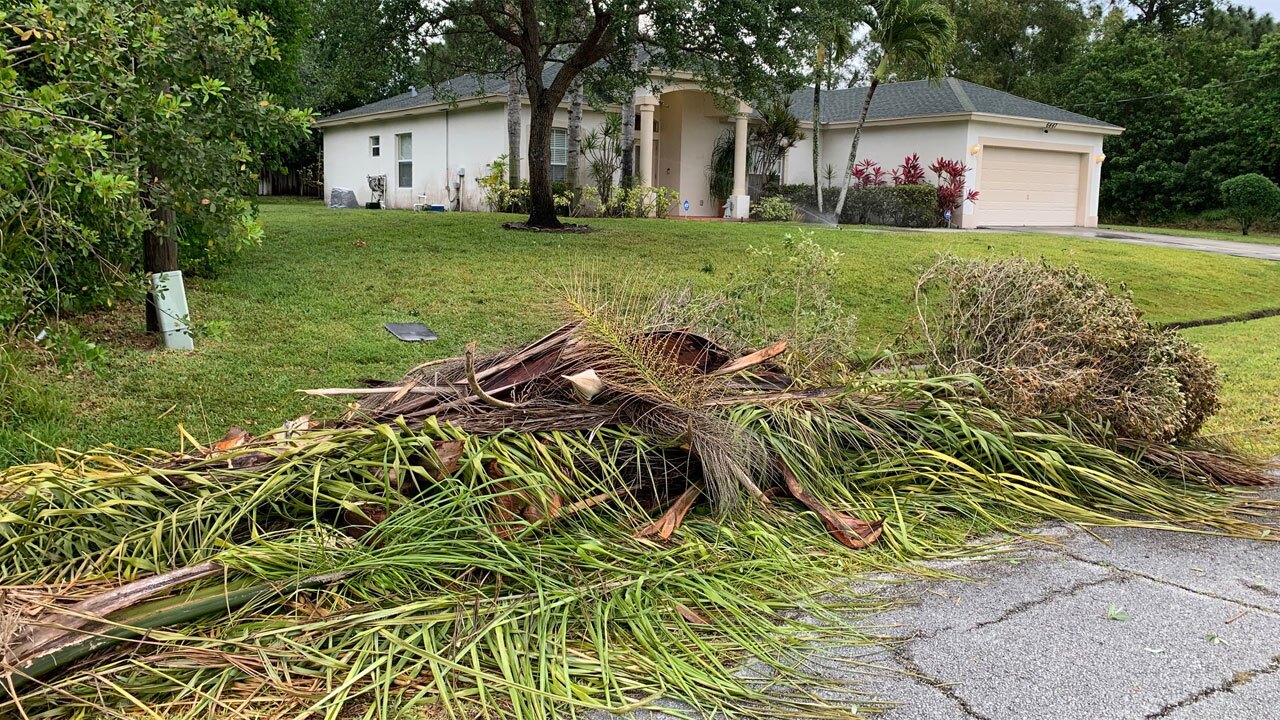
South Africa’s weather can be unpredictable, and when storms hit, they often leave behind a trail of fallen branches, scattered leaves, and even uprooted plants. A storm-damaged garden can feel overwhelming, but with the right approach, you can restore its beauty and health efficiently.
At Hilltop Garden Services, we specialize in post-storm garden recovery, ensuring that your outdoor space remains lush, safe, and thriving. In this guide, we’ll walk you through best practices for debris removal in gardens after storms, helping you recover quickly and effectively.
Why Quick Debris Removal Matters
1. Prevents Plant Diseases and Decay
Storm debris, such as fallen leaves and broken branches, can trap moisture, leading to mold growth and plant diseases. Removing this debris promptly prevents further damage to your garden.
2. Reduces Pest Infestation
Piles of organic debris provide a perfect breeding ground for pests like termites, rodents, and mosquitoes. Cleaning up after a storm helps keep your garden pest-free.
3. Restores Safety and Accessibility
Storm damage can result in broken branches, slippery pathways, and uprooted trees, posing hazards to people and pets. Clearing debris ensures a safe environment for everyone.
4. Protects Your Plants and Lawn
Heavy debris can smother your lawn, block sunlight, and damage delicate plants. Removing it quickly helps your garden recover and thrive.
Step-by-Step Guide to Storm Debris Removal
Step 1: Assess the Damage
Before jumping into cleanup, take a walk around your garden and assess the extent of the damage. Look for:
✅ Broken tree limbs and fallen branches
✅ Waterlogged plants and soil erosion
✅ Damaged garden structures (fences, trellises, irrigation systems)
✅ Uprooted or bent plants
Prioritize hazardous areas, such as hanging branches or unstable structures, to avoid accidents during cleanup.
Step 2: Start with Large Debris
Begin by removing large branches, fallen trees, and broken structures. If you have big fallen trees or hazardous limbs hanging, it’s best to call professional garden services like Hilltop Garden Services to handle the heavy lifting safely.For smaller branches and twigs, use garden shears or a pruning saw to cut them into manageable pieces for disposal or composting.
Step 3: Rake and Collect Smaller Debris
Once large debris is cleared, use a rake to collect smaller twigs, leaves, and dirt scattered across your lawn and flower beds.🚀 Pro Tip: Instead of throwing away all organic debris, turn leaves and small twigs into mulch to enrich your soil!
Step 4: Restore and Trim Damaged Plants
Storms can leave plants bent, broken, or uprooted. Follow these steps to restore them:🔹 For uprooted plants: Gently replant them if the roots are still intact, ensuring they are well-supported with soil and stakes if needed.
🔹 For broken branches: Trim damaged limbs at an angle to encourage healthy regrowth.
🔹 For bent plants: Tie them to stakes to help them regain their natural upright position.
At Hilltop Garden Services, we provide expert pruning services to ensure your plants recover properly and continue to flourish.
Step 5: Drain Excess Water and Aerate the Soil
Heavy rains can leave gardens waterlogged, leading to root rot and soil compaction. To fix this:✅ Check for standing water and create drainage channels if necessary.
✅ Aerate the soil using a garden fork to improve oxygen flow to the roots.
✅ Add organic compost to replenish lost nutrients.
Step 6: Check and Repair Your Irrigation System
If your garden has an irrigation system, inspect it for damage. Look for: 🚰 Broken or clogged sprinkler heads 🚰 Leaking pipes or misaligned drip lines 🚰 Blocked drainage areasIf repairs are needed, Hilltop Garden Services can assess and fix irrigation systems to ensure your garden gets the right amount of water post-storm.
Step 7: Dispose of Debris Responsibly
Once all debris is collected, decide how to dispose of it in an eco-friendly way:♻️ Compost organic waste like leaves and small branches to create nutrient-rich soil.
🔥 Use a chipper to turn large branches into wood chips for mulch.
🚮 Separate non-organic waste (e.g., broken fences or plastic debris) for proper disposal.
If you need professional help with debris removal, Hilltop Garden Services offers efficient cleanup and waste disposal solutions.
Preventing Future Storm Damage in Your Garden
While we can’t control the weather, we can take preventative measures to minimize storm damage in the future:
🌳 Regular Tree Pruning – Trim weak branches to prevent them from breaking in high winds.
🌿 Use Wind-Resistant Plants – Choose sturdy plants like succulents and native shrubs that can withstand storms.
🛠 Secure Garden Structures – Ensure fences, trellises, and furniture are anchored properly.
💦 Improve Drainage – Install rain gardens or permeable paving to prevent flooding.
At Hilltop Garden Services, we offer storm-proof garden planning to help you create a resilient landscape that stands up to harsh weather.
Final Thoughts
Recovering your garden after a storm may seem like a daunting task, but with the right approach, you can restore its health and beauty quickly. By following these best practices for debris removal, trimming damaged plants, improving soil drainage, and securing your garden structures, your outdoor space will thrive once again.
Let Hilltop Garden Services handle the heavy lifting while you enjoy a clean, safe, and flourishing garden. 🌿✨
Why Choose Hilltop Garden Services for Storm Cleanup?
✅ Fast and Reliable Debris Removal – We clear your garden efficiently and safely.
✅ Professional Plant Care and Recovery – We assess and restore damaged plants to ensure long-term health.
✅ Irrigation System Repairs – We inspect and fix storm-damaged irrigation systems.
✅ Eco-Friendly Waste Disposal – We recycle organic debris and minimize landfill waste.
If your garden has been affected by a storm, let us help you restore its beauty. Contact Hilltop Garden Services today for expert post-storm cleanup and maintenance!
For more information, visit our website Hilltop Garden Services or call us at (011 807 3773)
Follow us on social media for the latest updates and inspiration for your outdoor space.
More on Garden Maintenance

Weekly or Fortnightly Garden Services in Fourways: Which Does Your Garden Need?
Choose a garden maintenance rhythm that suits your Fourways home. Compare weekly and fortnightly visits, seasonal needs …

Seasonal Colour Planning: Keeping Your Residential Garden Vibrant Year-Round in Fourways
There’s a moment every year in Fourways that makes me smile. It’s usually late August or early September. The jacarandas…

Stay Warm and Cozy: Bluegum Firewood Tips and Tricks for Your Fireplace
As the colder months approach, nothing beats the comfort of a warm, crackling fire in your home. For those who cherish t…