
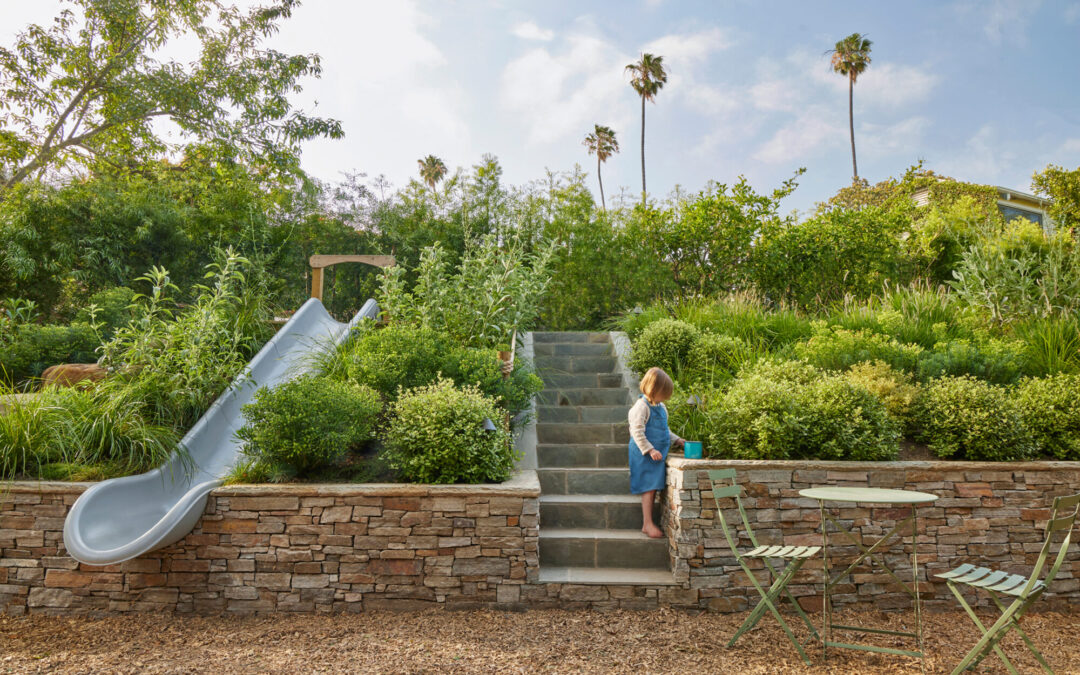
Creating a garden that both adults and children can enjoy is a rewarding endeavor. A child-friendly residential garden is not only a safe space for little ones to explore, but it also fosters creativity, encourages outdoor play, and builds a deeper connection with nature. At Hilltop Garden Services, we specialize in designing beautiful, functional gardens that cater to the needs of the entire family.
In this blog post, we’ll explore how to design a child-friendly garden, offering practical tips and ideas that will inspire you to create an outdoor environment that’s safe, stimulating, and aesthetically pleasing. Whether you’re looking to make your garden a playful paradise for your children or a harmonious space that the whole family can enjoy, these tips will help you achieve the perfect balance.
1. Safety First: Ensuring a Safe Environment for Children
When designing a child-friendly garden, safety should be your top priority. Children are naturally curious, and they love to explore their surroundings. To create a safe environment:
Avoid Toxic Plants: Some common garden plants can be toxic if ingested or cause skin irritation. Make sure to avoid planting poisonous species like oleander, foxglove, and certain types of lilies. Instead, opt for non-toxic plants like marigolds, sunflowers, and snapdragons, which are safe for children to touch and explore.
Install Soft Surfaces: Children are prone to falls while running and playing. Install soft, impact-absorbing surfaces like grass, mulch, or rubberized play mats under play areas or near walkways to cushion any potential falls.
Secure Water Features: If you have a pool, pond, or fountain in your garden, it’s important to secure it to prevent accidents. Consider installing childproof barriers or covers for water features, and always supervise children when they are near water.
Create Defined Pathways: Clearly defined pathways not only help keep your garden organized but also ensure that children can navigate the space safely. Use non-slip materials like brick, stone, or gravel to create stable walkways.
2. Incorporating Play Areas: Designing Spaces for Fun and Exploration
A child-friendly garden should include designated play areas where kids can engage in fun, active play. Here are some ideas for incorporating playful elements into your garden design:
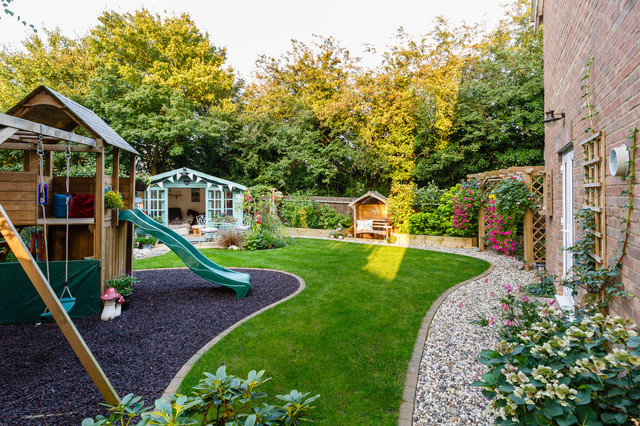
Swing Sets and Slides: Classic playground equipment like swings, slides, and climbing frames are always a hit with children. Consider installing a sturdy swing set or a small climbing frame in a shaded area of the garden to provide hours of entertainment.
Sandpits and Mud Kitchens: Sandpits and mud kitchens encourage imaginative play and sensory exploration. Create a simple sandpit using wooden planks or a repurposed container, and fill it with clean sand for digging and building. For a mud kitchen, set up an outdoor play station with pots, pans, and utensils for little chefs to “cook” with natural materials like dirt, leaves, and water.
A Secret Garden or Hideaway: Children love having their own special hideaway. Incorporate a “secret” garden nook with a small bench, teepee, or playhouse where kids can retreat and enjoy some quiet time. Planting tall shrubs or climbing plants like jasmine or clematis can create a natural wall for privacy.
Balancing Logs and Stepping Stones: Encourage physical activity by adding natural elements like balancing logs, stepping stones, or a mini obstacle course. These features promote balance, coordination, and confidence as children challenge themselves to navigate the terrain.
3. Incorporating Educational Elements: Growing a Garden with Learning Opportunities
A garden is a wonderful place for children to learn about nature, plants, and the environment. Here are some ways to integrate educational elements into your garden design:
Grow an Edible Garden: Planting a vegetable garden is a fantastic way to teach children about where their food comes from. Choose easy-to-grow vegetables like tomatoes, carrots, and lettuce, as well as fruits like strawberries or blueberries. Encourage your children to participate in planting, watering, and harvesting, giving them a sense of responsibility and achievement.
Create a Sensory Garden: A sensory garden engages the five senses and provides a multi-dimensional learning experience for children. Include plants with interesting textures, like lamb’s ear and ornamental grasses, fragrant flowers like lavender or mint, and brightly colored blooms like marigolds or zinnias. You can also add elements that make sounds, such as wind chimes or rustling bamboo.
Introduce Wildlife: Attracting wildlife to your garden is a great way to teach children about local ecosystems. Install bird feeders, birdbaths, or a small bug hotel to welcome birds, butterflies, and beneficial insects. Watching wildlife in the garden can be both entertaining and educational for kids.
Composting Area: Set up a composting area where children can learn about recycling organic waste. Teach them how to compost kitchen scraps like vegetable peels and garden clippings to create nutrient-rich soil for the garden. Composting is a hands-on way to demonstrate the principles of sustainability and environmental stewardship.
4. Creating Quiet Zones: Balancing Play with Relaxation
While play is an important part of a child-friendly garden, it’s also essential to include peaceful areas where both children and adults can relax and unwind. Here are some ideas for creating quiet zones:
Shaded Seating Areas: Provide shaded spots with comfortable seating where family members can sit, read, or simply enjoy the tranquility of the garden. A pergola, gazebo, or large umbrella can provide shade, while cozy outdoor furniture or a hammock offers a relaxing place to rest.
Reading Nooks: Designate a small corner of the garden as a reading nook, complete with a bench or bean bags and a selection of outdoor-friendly books. This quiet space encourages children to slow down, enjoy a good book, and spend time outdoors.
Water Features for Calmness: A small water feature, such as a bubbling fountain or a trickling stream, can add a sense of calm and serenity to the garden. The sound of running water can be soothing for both children and adults, providing a peaceful backdrop for relaxation.
5. Incorporating Learning and Exploration: Gardens as Educational Spaces
Gardens are natural learning environments where children can discover the world around them. By incorporating educational elements, you can turn your child-friendly garden into an outdoor classroom where learning and play go hand-in-hand:
Planting Projects: Involve your children in planting and maintaining the garden. Teach them about different plant species, how plants grow, and the importance of caring for the environment. Let them plant their own seeds and watch them grow over time.
Wildlife Habitats: Create habitats that encourage wildlife to visit your garden. A birdhouse, a bug hotel, or a small pond can attract birds, insects, and amphibians, providing your child with an up-close look at nature.
Composting: Teach your children about sustainability by setting up a composting area where they can help recycle garden waste and kitchen scraps. Composting is a hands-on way to introduce kids to the concept of recycling and the natural life cycle of plants.
6. Creating Spaces for the Whole Family
A child-friendly garden should be a place where the whole family can relax and enjoy time together. Incorporating spaces for adults alongside the play areas ensures that the garden is a shared space for everyone:
Comfortable Seating Areas: Create a cozy seating area where parents can relax while keeping an eye on the kids. Comfortable outdoor furniture, shaded spots, and a view of the play zones will make it easy to supervise while enjoying the garden’s ambiance.
Family-Friendly Dining Spaces: A dining area in the garden is perfect for family meals, picnics, or barbecues. Choose a durable, weather-resistant table and chairs that are easy to clean and can accommodate family gatherings.
Garden Lighting: Add outdoor lighting to extend your garden’s usability into the evening. Solar-powered lights or string lights can create a magical atmosphere and provide added safety during nighttime play.
7. Why Choose Hilltop Garden Services for Your Child-Friendly Garden Design?
At Hilltop Garden Services, we specialize in designing gardens that are both functional and beautiful. When it comes to creating a child-friendly garden, we take extra care to ensure that every detail is tailored to your family’s needs. Here’s why you should trust us with your garden design:
Expert Knowledge: Our experienced team knows how to create gardens that are safe, fun, and educational for children while maintaining a stylish and appealing design for the whole family.
Bespoke Designs: Every family is unique, and so is every garden. We work closely with you to create a custom design that reflects your family’s lifestyle, preferences, and space.
Comprehensive Services: From plant selection to play equipment installation, we handle every aspect of garden design and maintenance. We also offer ongoing care services to ensure your garden remains beautiful and functional year-round.
Contact Hilltop Garden Services Today
Are you ready to design the perfect child-friendly garden? Contact Hilltop Garden Services today to schedule a consultation. Our team of experts is here to help you create a safe, enjoyable outdoor space where your children can thrive.
For more information, visit our website Hilltop Garden Services or call us at (011 807 3773)
Follow us on social media for the latest updates and inspiration for your outdoor space.
Recent Comments