
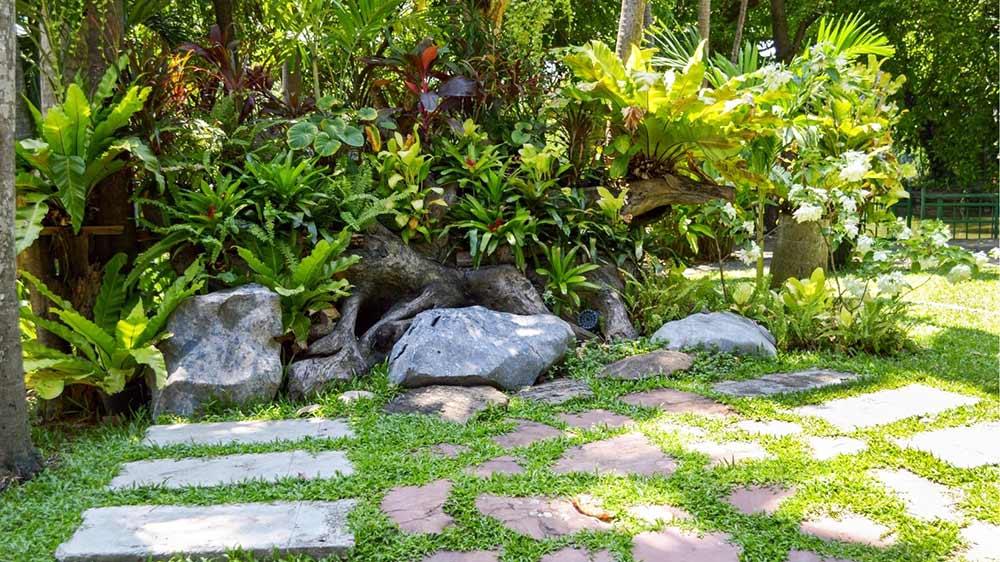
Creating a wildlife-friendly garden is not only a rewarding way to connect with nature but also a great way to support local biodiversity. A garden that attracts birds, insects, and small mammals can enhance the natural beauty of your outdoor space while providing vital habitats for wildlife. If you’re looking to transform your garden into a haven for local wildlife, Hilltop Garden Services is here to guide you every step of the way.
In this blog post, we’ll show you how to design a wildlife-friendly garden that flourishes with minimal effort, benefiting both the environment and your enjoyment of your garden. Let’s dive in!
Why Create a Wildlife-Friendly Garden?
A wildlife-friendly garden is more than just a pretty sight—it’s an ecological sanctuary. Here are some of the key benefits:
- Biodiversity Support: By planting native plants and providing habitats, you help protect and nurture local species, many of which are facing habitat loss.
- Natural Pest Control: Welcoming creatures like birds, frogs, and beneficial insects helps keep pests in check naturally, reducing the need for harmful pesticides.
- Healthier Ecosystem: The more diverse your garden, the more resilient it becomes, creating a balanced ecosystem that thrives with minimal intervention.
- Connection to Nature: There’s nothing quite like the sound of birds chirping or the sight of butterflies fluttering around your plants to create a peaceful, serene environment.
With these benefits in mind, let’s explore how you can design your own wildlife-friendly garden.
Step 1: Choose Native Plants
Native plants are the foundation of any wildlife-friendly garden. They are well-adapted to the local climate and provide essential food and shelter for native species. In South Africa, choosing indigenous plants will not only support local wildlife but also reduce your garden’s water needs and maintenance.
Some Native South African Plants to Consider:
- Aloe Vera: Known for its striking structure and healing properties, Aloe Vera attracts birds and insects while thriving in hot, dry conditions.
- Agapanthus: With its vibrant blue or white flowers, Agapanthus attracts pollinators like bees and butterflies.
- Buchu: This fragrant shrub is popular with native insects and has been used in traditional medicine for centuries.
- Wild Dagga (Leonotis leonurus): This tall, flowering plant is a favorite among sunbirds and bees.
These plants not only attract wildlife but also bring color, texture, and beauty to your garden throughout the year.
Step 2: Provide Water Sources
All wildlife needs water, whether for drinking, bathing, or reproduction. By including a water source in your garden, you’ll attract a wide range of animals, from birds to amphibians to insects.
Water Source Ideas for Your Garden:
- Bird Baths: A shallow bird bath with clean water will attract birds for drinking and bathing. Make sure to place it in a quiet spot away from predators like cats.
- Ponds: If you have space, a small pond is a fantastic addition. Ponds attract frogs, dragonflies, and other aquatic wildlife. Even a container pond can make a big impact in smaller gardens.
- Water Features: A bubbling water feature or small fountain not only adds aesthetic appeal but also provides fresh, moving water for wildlife.
Remember to keep your water sources clean and topped up, especially during hot, dry months.
Step 3: Create Shelter and Habitats
Providing shelter is key to attracting wildlife. Many animals need safe places to nest, hide, or rest. The more diverse your garden’s habitats, the more species you’ll attract.
How to Create Wildlife Habitats:
- Plant Dense Shrubs: Shrubs like Wild Olive and Cape Honeysuckle offer cover for birds and small mammals.
- Install Nesting Boxes: Bird boxes, bat boxes, and insect hotels provide essential nesting sites. Different species require different types of homes, so make sure to choose appropriately for your local wildlife.
- Leave Leaf Litter: Don’t be too quick to rake up fallen leaves and branches. Leaf litter provides a habitat for insects and small mammals, while also enriching the soil as it decomposes.
- Rock Piles and Logs: A pile of rocks or logs can be a perfect home for amphibians, reptiles, and insects. These natural elements create shelter while adding a rustic touch to your garden.
By creating various levels of shelter, from ground-level homes for insects to tree-level nests for birds, you’re encouraging a diverse range of species to make your garden their home.
Step 4: Plant for Pollinators
Pollinators such as bees, butterflies, and birds play a crucial role in our ecosystem, helping plants reproduce by transferring pollen from one flower to another. To attract these essential creatures to your garden, you’ll need to provide plants that offer nectar, pollen, and shelter.
Pollinator-Friendly Plants:
- Lavender: Bees love the sweet-smelling flowers of lavender, and the plant adds a lovely fragrance to your garden.
- Protea: This iconic South African plant attracts a variety of birds, especially sunbirds.
- Salvia: Known for its vibrant flowers, Salvia attracts butterflies and bees.
- Pelargonium: These hardy plants are great for attracting insects like bees, and they also bring splashes of color to your garden.
When planting for pollinators, aim for a mix of flowers that bloom at different times of the year. This ensures that pollinators have access to nectar throughout the seasons.
Step 5: Avoid Chemicals
One of the easiest ways to make your garden wildlife-friendly is to reduce or eliminate the use of harmful chemicals like pesticides and herbicides. These chemicals not only kill pests but also harm beneficial insects, birds, and other creatures.
Eco-Friendly Alternatives:
- Companion Planting: Plant certain species together to naturally repel pests. For example, marigolds can deter aphids, while basil keeps mosquitoes away.
- Neem Oil: This natural insecticide is non-toxic to most beneficial insects and can be used to control pests like aphids and whiteflies.
- Manual Removal: For larger pests like slugs, manual removal is an effective and chemical-free solution.
By avoiding chemicals, you’ll create a healthier environment for all forms of wildlife to thrive.
Step 6: Add Feeding Stations
While natural food sources are ideal, supplementing with feeding stations can help attract a variety of wildlife to your garden. Just make sure to use the right feeders and food to avoid attracting unwanted pests.
Types of Feeders to Consider:
- Bird Feeders: Hanging bird feeders filled with seeds, nuts, or fruit will attract a wide range of birds.
- Insect Feeders: Insects can be drawn to certain plants, but you can also create insect feeding stations with overripe fruit or sugar water.
- Butterfly Feeders: A shallow dish filled with a mixture of water and sugar can attract butterflies, especially during dry seasons when nectar is scarce.
Regularly clean your feeding stations to prevent the spread of disease among wildlife.
Conclusion
Creating a wildlife-friendly garden is not only a way to give back to nature but also an opportunity to enjoy the beauty of local wildlife up close. By incorporating native plants, providing water sources, offering shelter, and planting for pollinators, you can transform your residential garden into a thriving ecosystem.
At Hilltop Garden Services, we specialize in designing and maintaining gardens that are not only beautiful but also environmentally sustainable. Whether you’re starting from scratch or looking to enhance an existing garden, our expert team is here to help you create a space that welcomes wildlife and enriches your outdoor living experience.
Why Choose Hilltop Garden Services?
- Expert knowledge of indigenous plant species
- Customized garden designs to attract wildlife
- Comprehensive garden maintenance services
- Sustainable, eco-friendly practices
Contact Hilltop Garden Services Today
Ready to create your own wildlife-friendly garden? Contact Hilltop Garden Services today for a consultation and let us help you design a garden that thrives with nature!
For more information, visit our website Hilltop Garden Services or call us at (011 807 3773)
Follow us on social media for the latest updates and inspiration for your outdoor space.
Recent Comments